
Baruch House Publishing
Baruch House Publishing
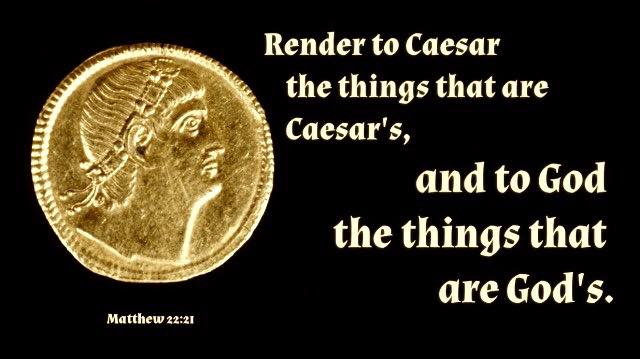
The historical details of the gospel stories matter. To fudge them, lose them, or distort them, changes the message of the Bible and takes away from God’s word. New Testament teaching about the payment of tribute is such a detail. It has symbolic significance. ‘Tribute’ is not tax, but some
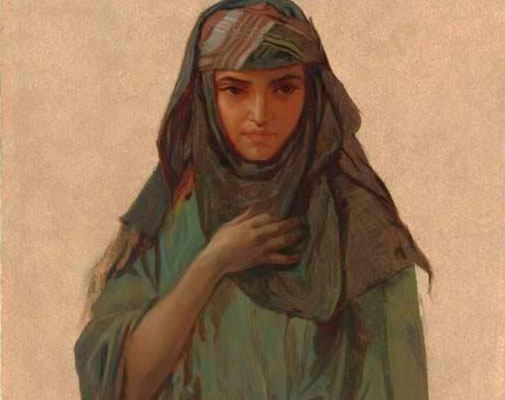
Exodus 21:7-11 prescribes rules for the treatment of Hebrew girls or young women sold into indentured service by their fathers. Aside from financial considerations, it appears ancient fathers had good reason to do this: it was a way to find a husband for their daughters. In Exodus we learn that

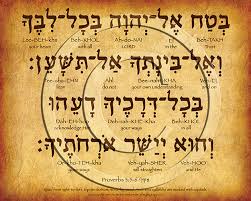
This is a foretaste of the Proverbs in the New Matthew Bible. The Book of Proverbs is incredibly clear and easy to understand in the original 1537 Matthew Bible. Here we have updated only obsolete grammar and a few obvious obsolete words. This is not the final version, but it
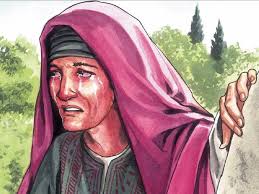
Everywhere I turn I see big semantic and doctrinal changes introduced in the Geneva Bible, when the Puritans took the Scriptures in hand and revised them. Take Malachi 2:13-16. Both the Matthew and Geneva Bibles mention altars covered with tears. Both say there is a problem in Israel: the men
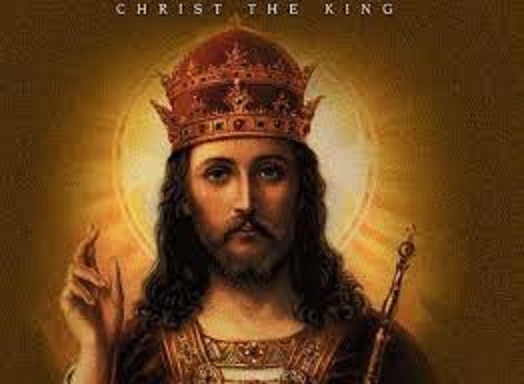
Here is the original translation of Psalm 2 as we received it in the 1537 Matthew Bible, before it went on to be revised in the Great Bible, and then more so in the Geneva and King James versions. Hardly anyone knows about the Matthew Bible. It was the joint
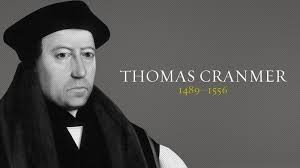
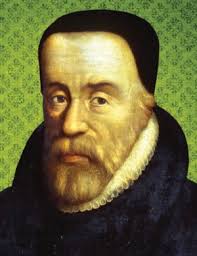
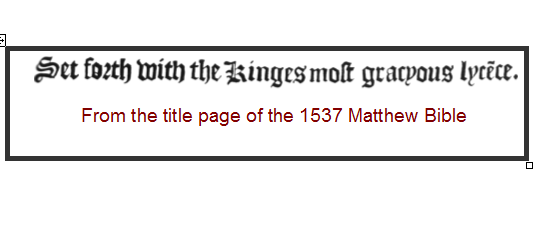
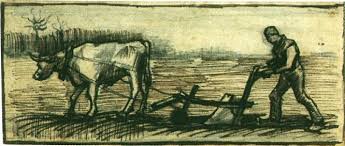


Good counsel vs. much counsel. What really is the point? This one bothered me when I first came to the Bible as a new Christian, until I found the 1537 Matthew Bible. See what the different versions say, and tell me if the Matthew Bible doesn’t make a whole lot
I accept that Scripture – truly translated, that is – must be our source and arbiter of doctrine, if that is what is understood by ‘sola scriptura’. But if I were to rally around a slogan, it might be ‘Verbum prius’, or ‘the Word first’, by which I mean Him
Subscribe to receive blog posts: enter email address below
The New Testament, as it was contained in the 1537 Matthew Bible, complete with Tyndale’s prologue to Romans and the notes of the Matthew Bible
The Pentateuch, or Five Books of Moses, also from the 1537 Matthew Bible, with excerpts from Tyndale’s prologue to Exodus and the notes of the Matthew Bible
(Paperback, Kindle, and Hardcover editions)
Subscribe to receive blog posts: enter email address below